

Search through our car catalog
You have selected
Make : TOYOTA | Model :COASTER
Make : TOYOTA | Model :COASTER
Buy from TOYOTA COASTER cars in Nairobi, Kenya for sale. Search from the latest available TOYOTA COASTER vehicles for buy/import direct from Japan auction to Nairobi, Kenya. We assist Kenyan buyers and importers to get TOYOTA COASTER vehicles from Japan.
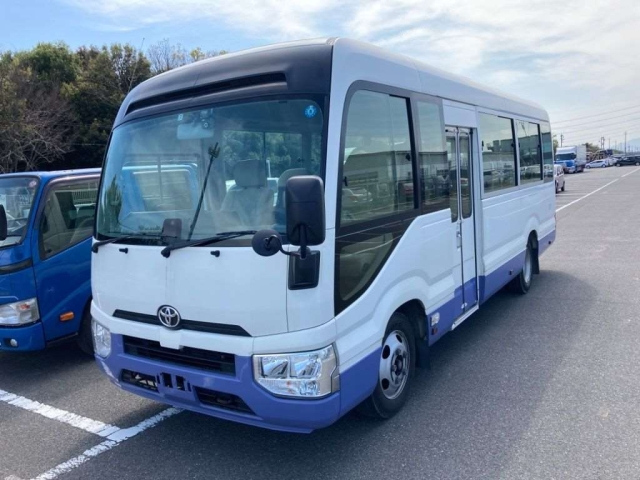
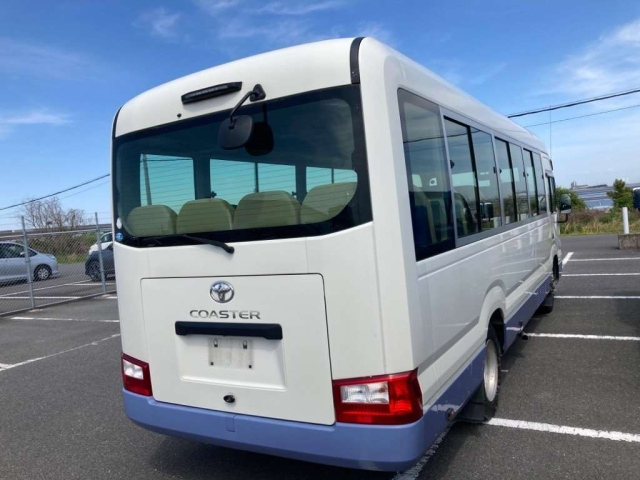
Mileage:
438000 kms
Condition Rating:
3.5
Displacement:
4000cc
Package:
LX
Model Code:
XZB70
CIF Mombasa:
9,972,063 (KES)
Auction Date:
2024-04-18 00:00:00
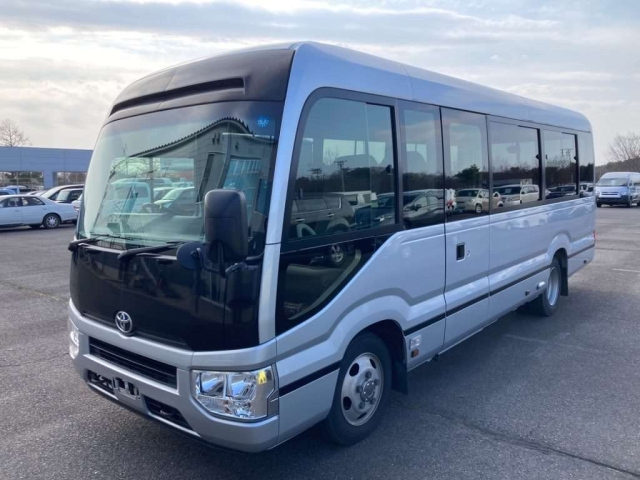

Mileage:
203000 kms
Condition Rating:
3.5
Displacement:
4000cc
Package:
Model Code:
XZB70
CIF Mombasa:
6,202,340 (KES)
Auction Date:
2024-04-04 12:41:00
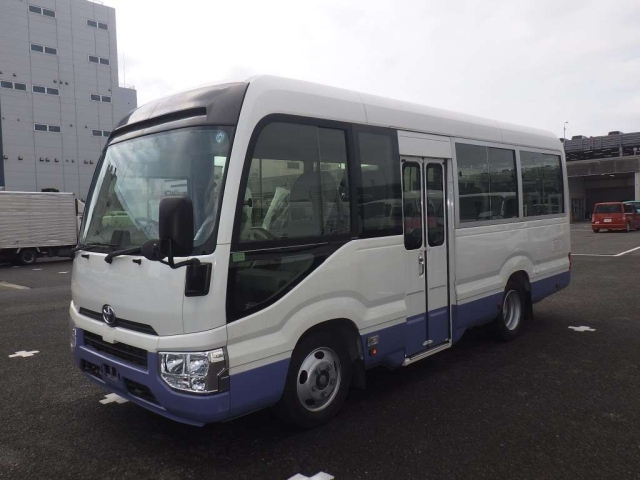
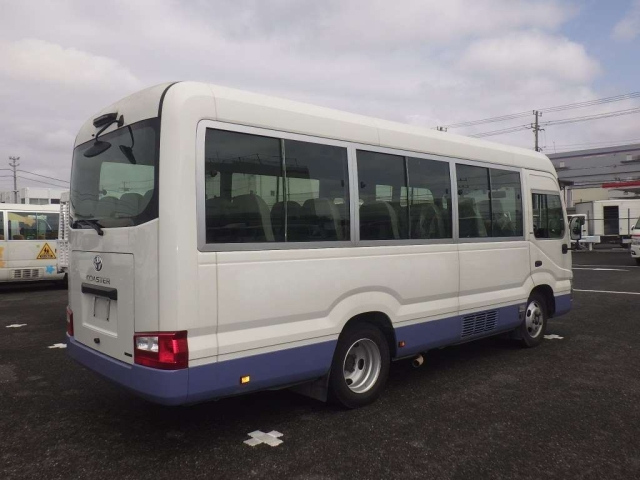
Mileage:
115000 kms
Condition Rating:
4
Displacement:
4000cc
Package:
LX
Model Code:
XZB60
CIF Mombasa:
7,243,700 (KES)
Auction Date:
2024-04-04 11:55:00
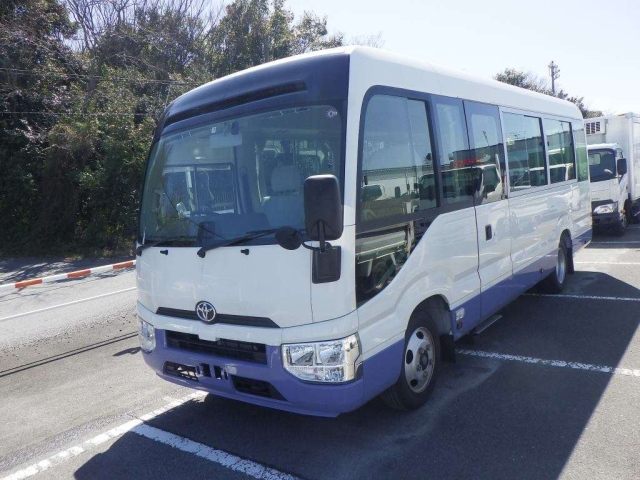
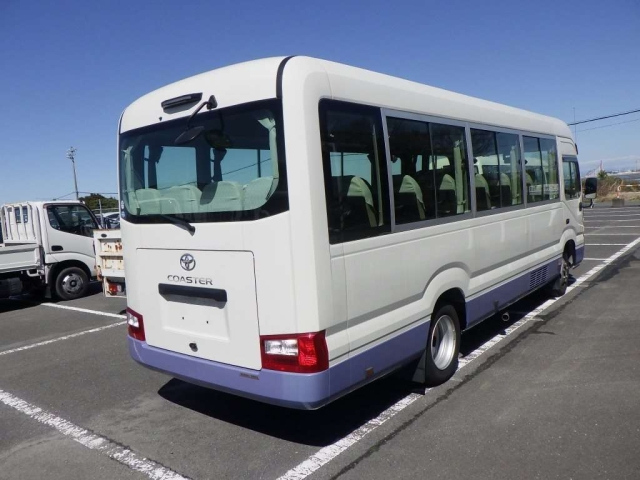
Mileage:
2000 kms
Condition Rating:
5
Displacement:
4000cc
Package:
LX
Model Code:
XZB70
CIF Mombasa:
10,179,294 (KES)
Auction Date:
2024-04-04 11:08:00


Mileage:
175000 kms
Condition Rating:
3.5
Displacement:
4000cc
Package:
GX
Model Code:
XZB70
CIF Mombasa:
7,093,744 (KES)
Auction Date:
2024-04-03 15:23:00
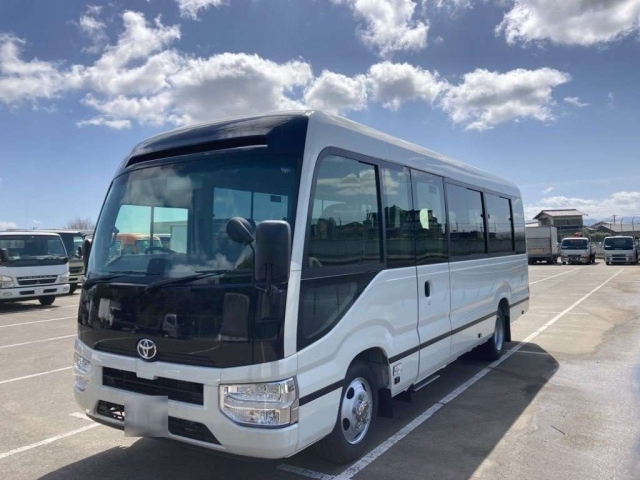
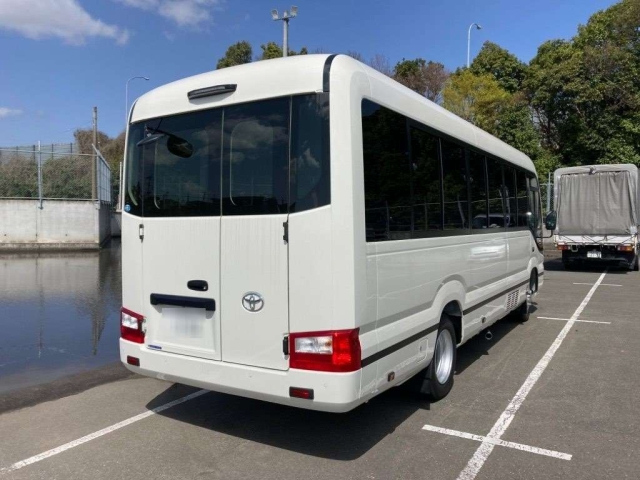
Mileage:
n/a
Condition Rating:
S
Displacement:
2800cc
Package:
Long GX
Model Code:
GDB70
CIF Mombasa:
9,041,088 (KES)
Auction Date:
2024-04-02 11:29:00


Mileage:
117000 kms
Condition Rating:
3.5
Displacement:
4000cc
Package:
EX
Model Code:
XZB70
CIF Mombasa:
9,849,183 (KES)
Auction Date:
2024-04-01 12:50:00
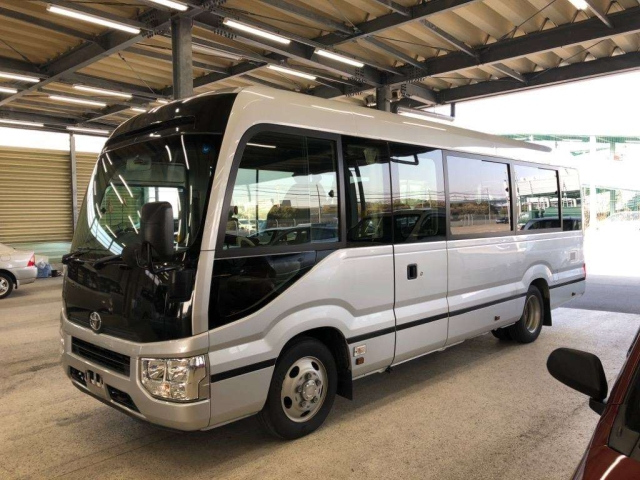
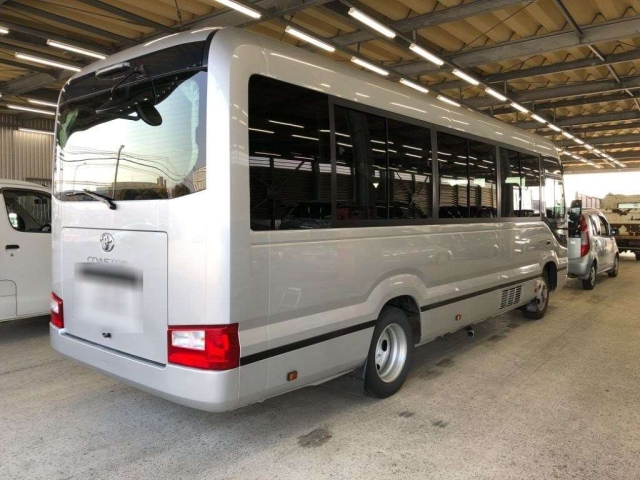

Mileage:
153000 kms
Condition Rating:
3.5
Displacement:
4000cc
Package:
GX
Model Code:
XZB70
CIF Mombasa:
6,650,125 (KES)
Auction Date:
2024-03-16 14:19:00

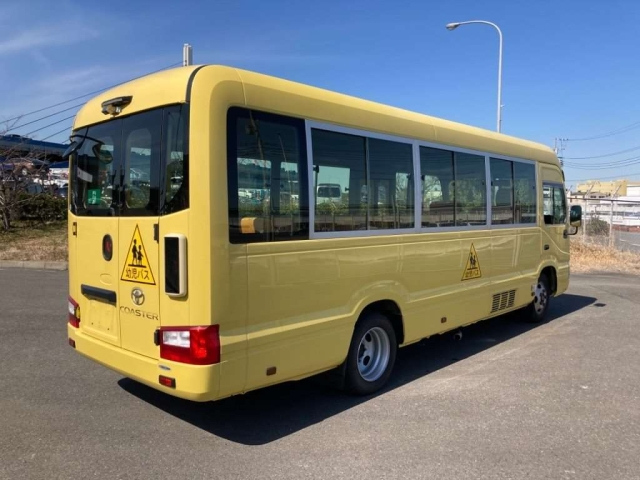
Mileage:
27000 kms
Condition Rating:
3.5
Displacement:
4000cc
Package:
ヨ&#
Model Code:
XZB70
CIF Mombasa:
8,390,238 (KES)
Auction Date:
2024-03-16 12:55:00
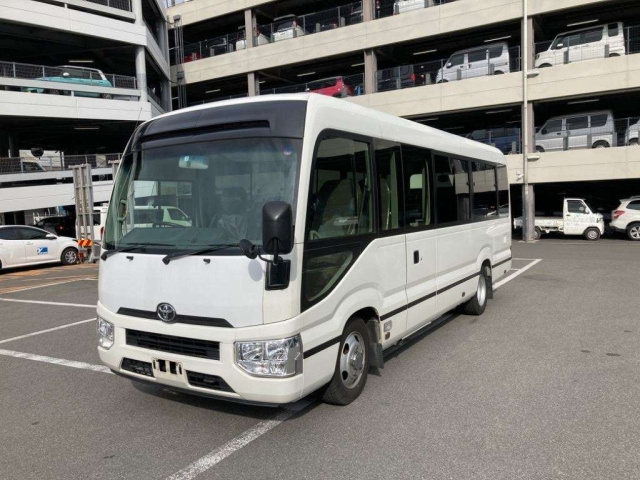
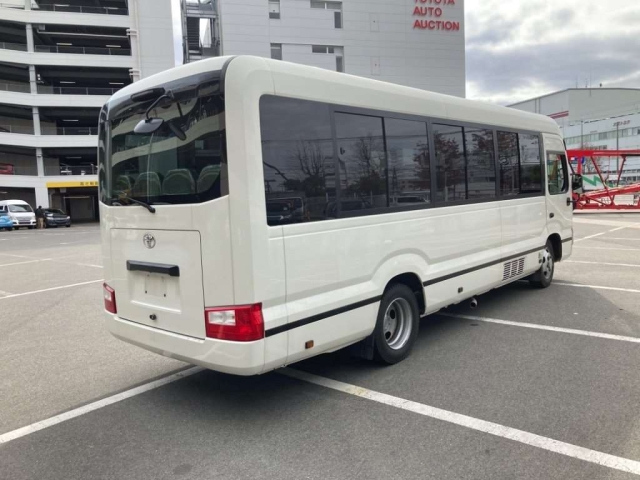
Mileage:
337000 kms
Condition Rating:
3.5
Displacement:
4000cc
Package:
GX
Model Code:
XZB70
CIF Mombasa:
5,281,778 (KES)
Auction Date:
2024-03-05 00:00:00
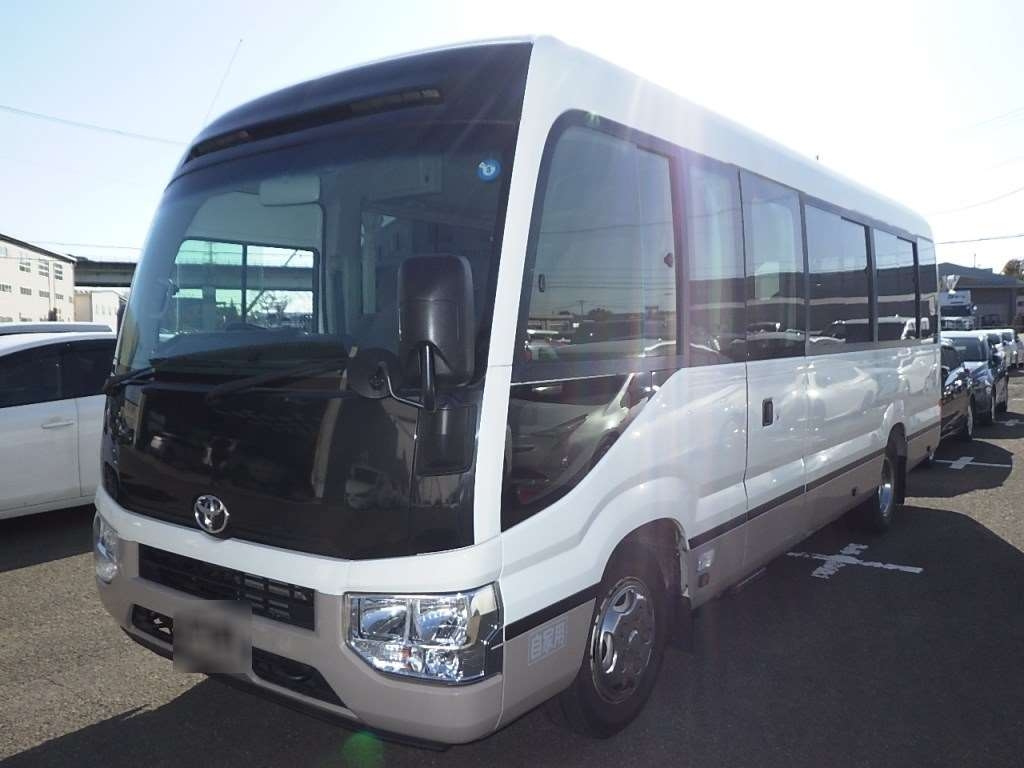
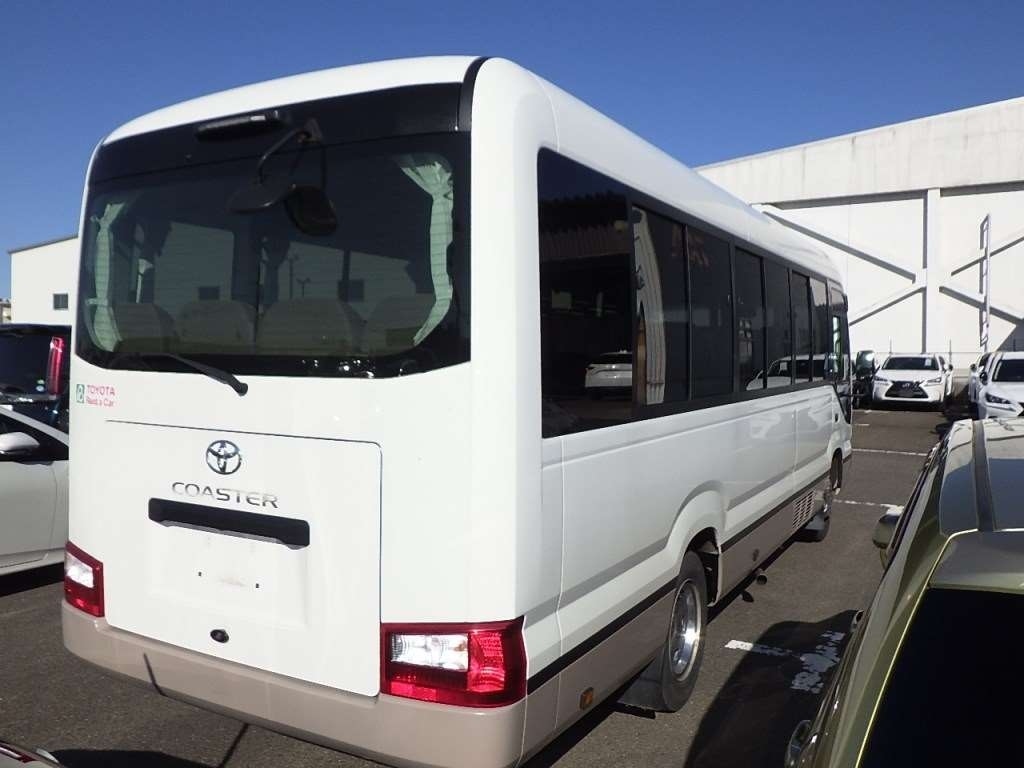
Mileage:
76000 kms
Condition Rating:
3.5
Displacement:
4000cc
Package:
GX
Model Code:
XZB70
CIF Mombasa:
5,573,359 (KES)
Auction Date:
2023-11-23 00:00:00
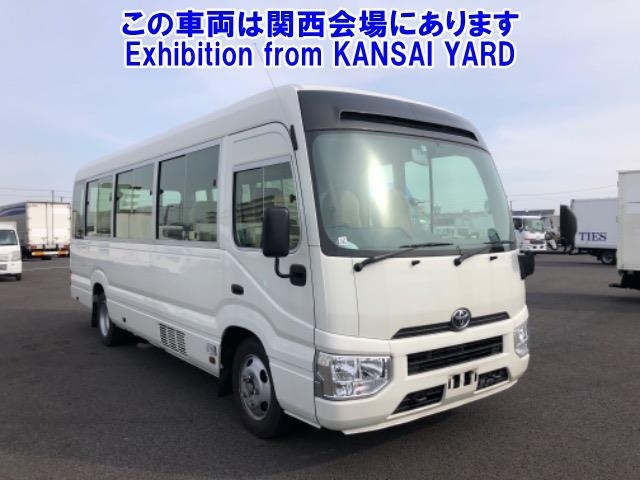

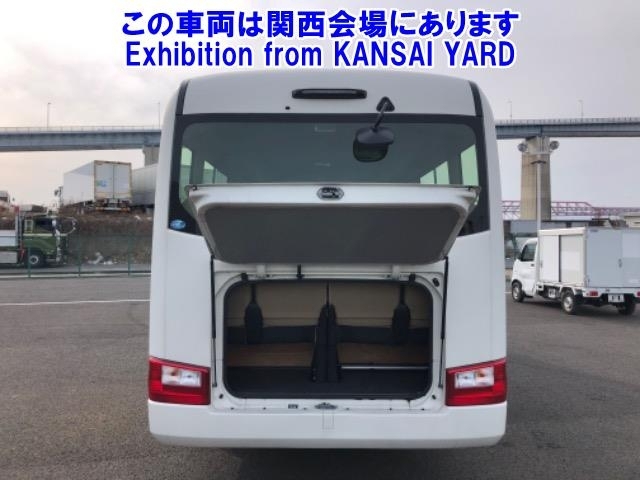
Mileage:
90000 kms
Condition Rating:
3.5
Displacement:
4000cc
Package:
ハ&#
Model Code:
XZB70
CIF Mombasa:
6,961,492 (KES)
Auction Date:
2023-03-18 00:00:00
Recently Delivered
-
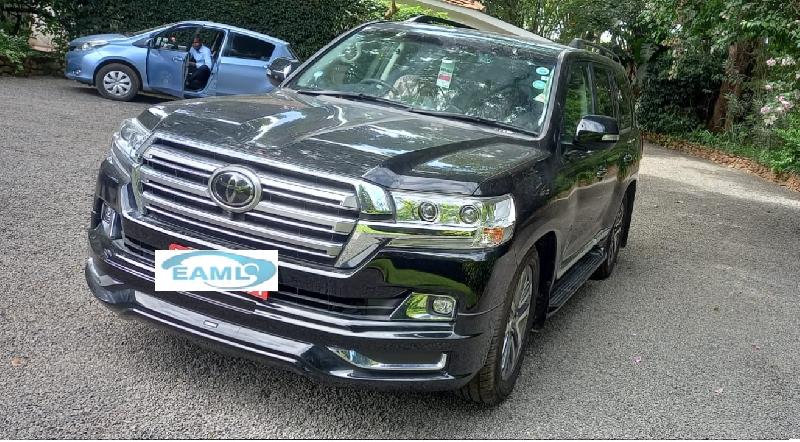
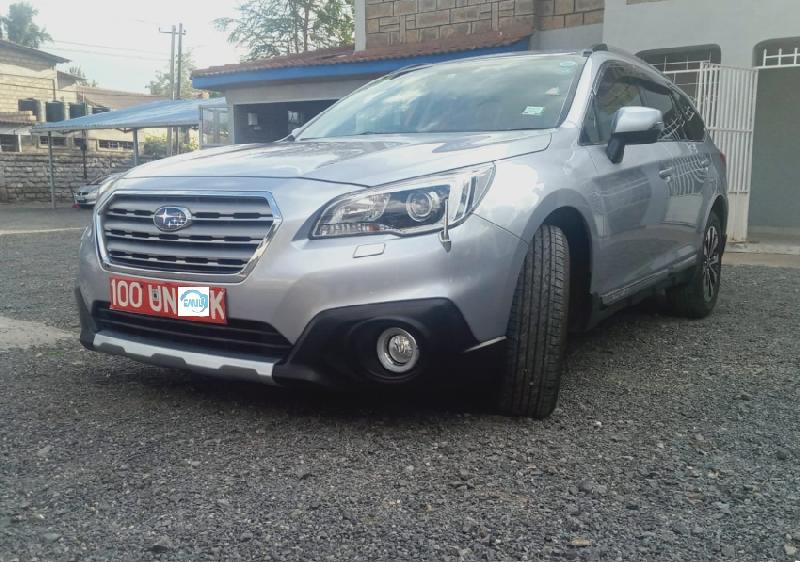
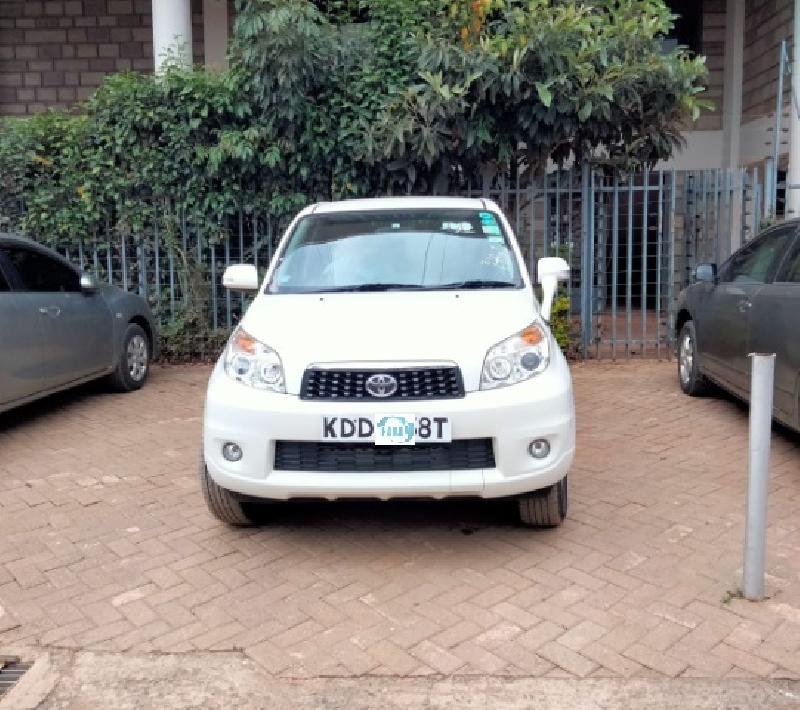
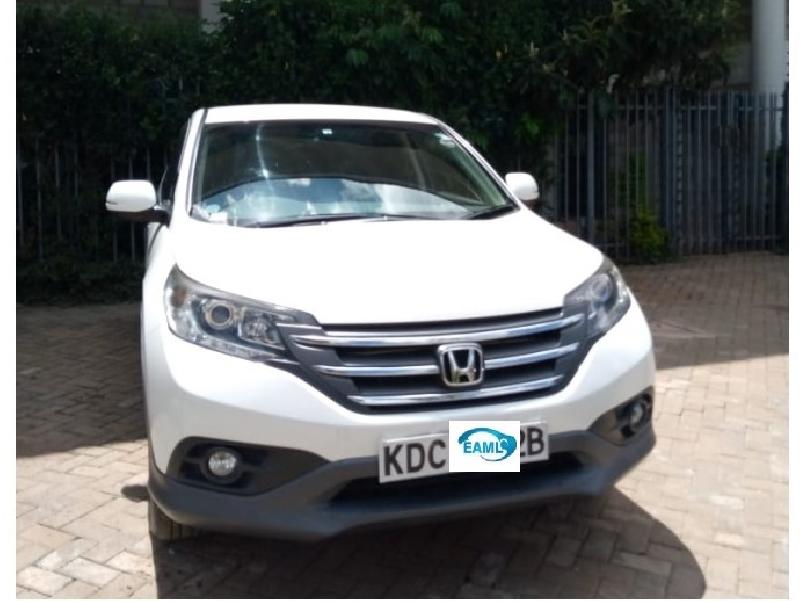
TOYOTA LAND CRUISER(2021) delivered in January, 2022
CONDITION 6
-
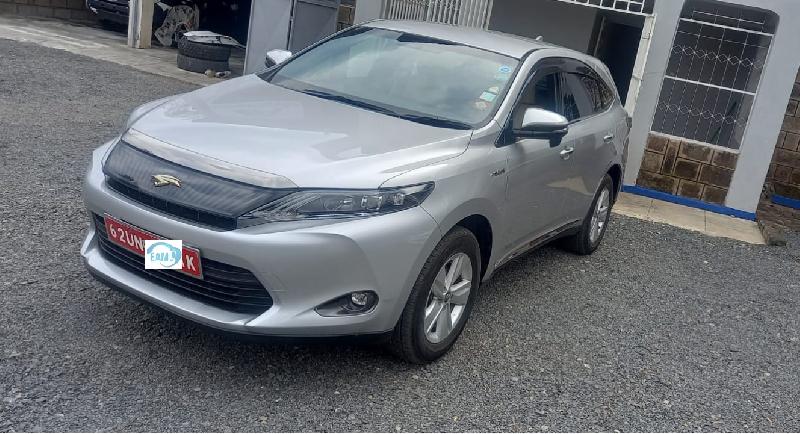
TOYOTA HARRIER(2016) delivered in January, 2022
CONDITION 5 A/A
-
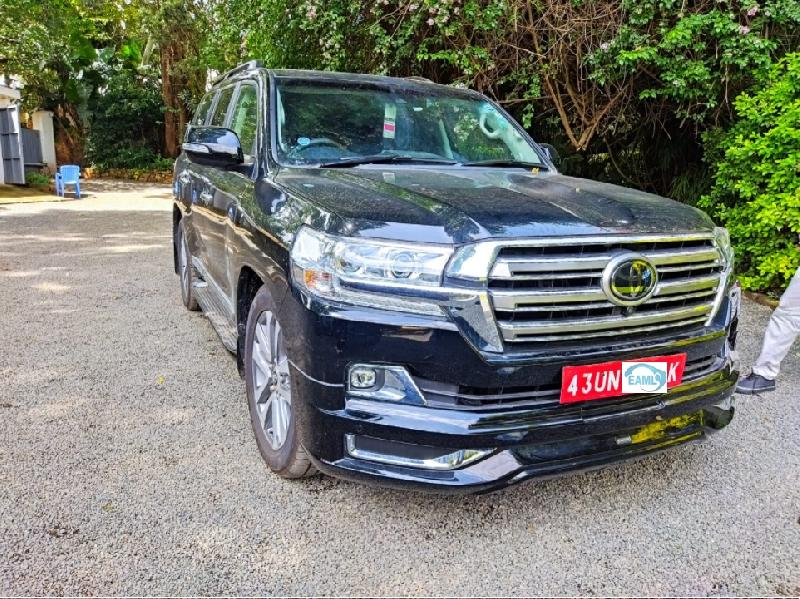
TOYOTA LAND CRUISER(2021) delivered in January, 2022
CONDITION 6
-
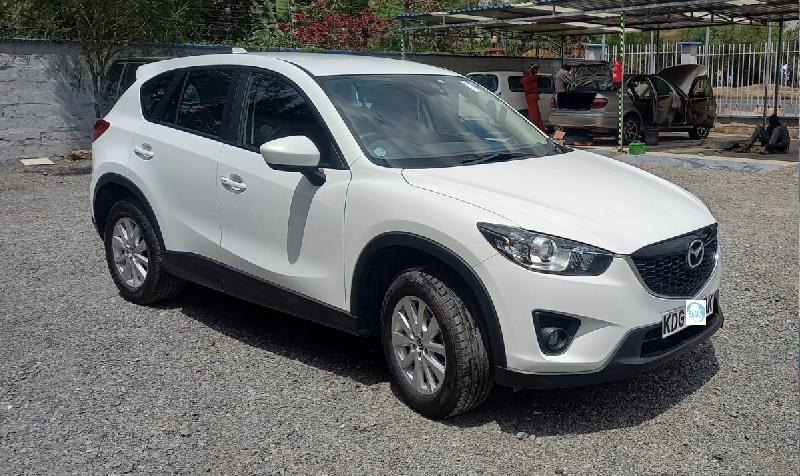
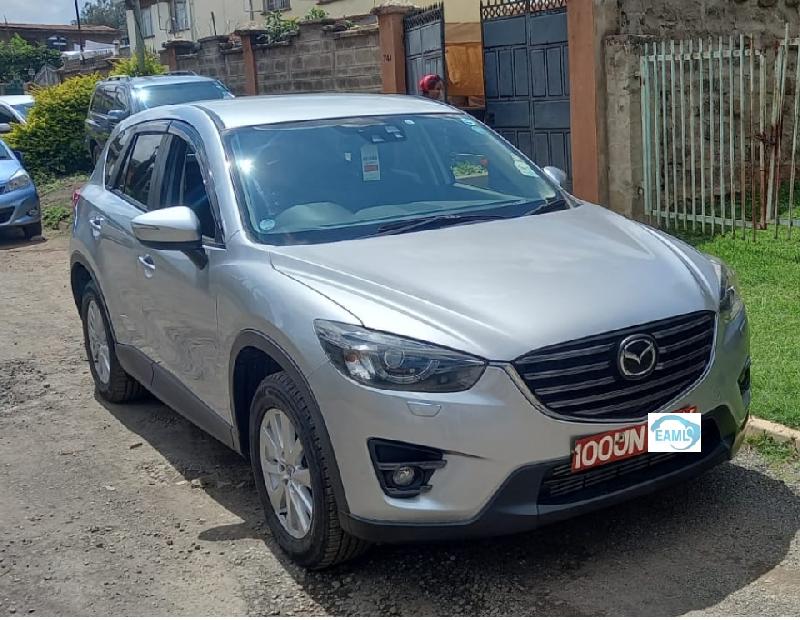
MAZDA CX-5(2014) delivered in January, 2022
CONDITION 4.5
-
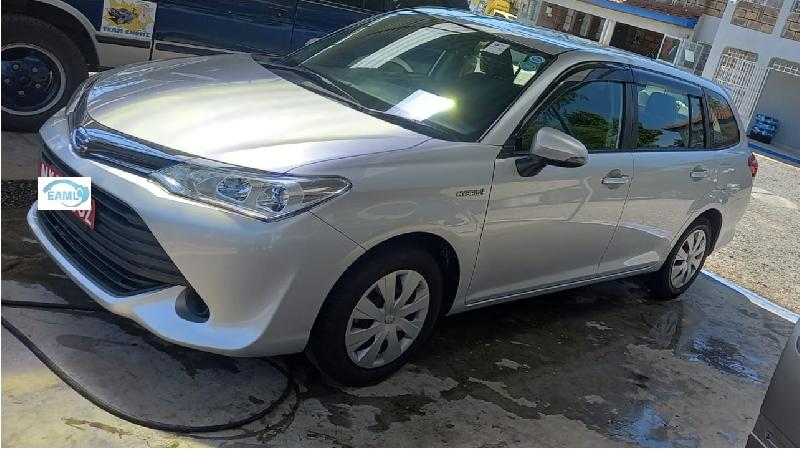
TOYOTA COROLLA FIELDER(2015) delivered in January, 2022
CONDITION 4.5
-
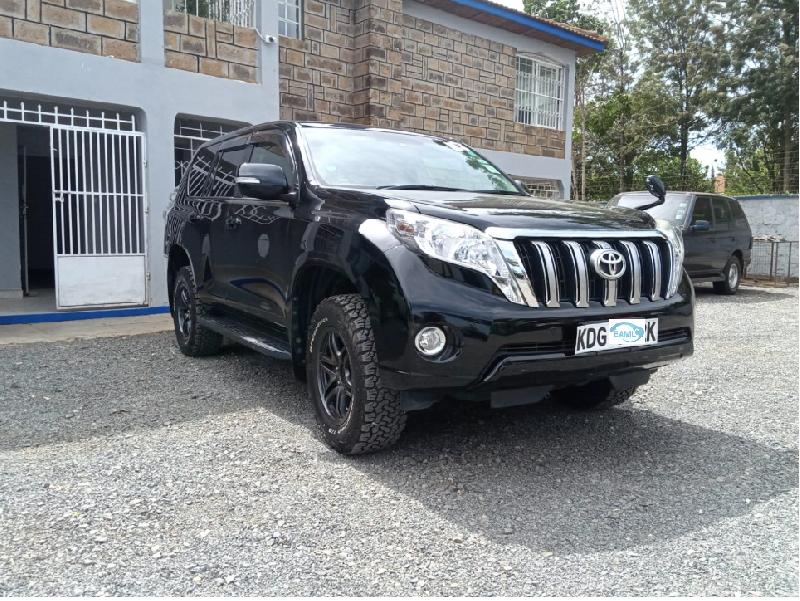
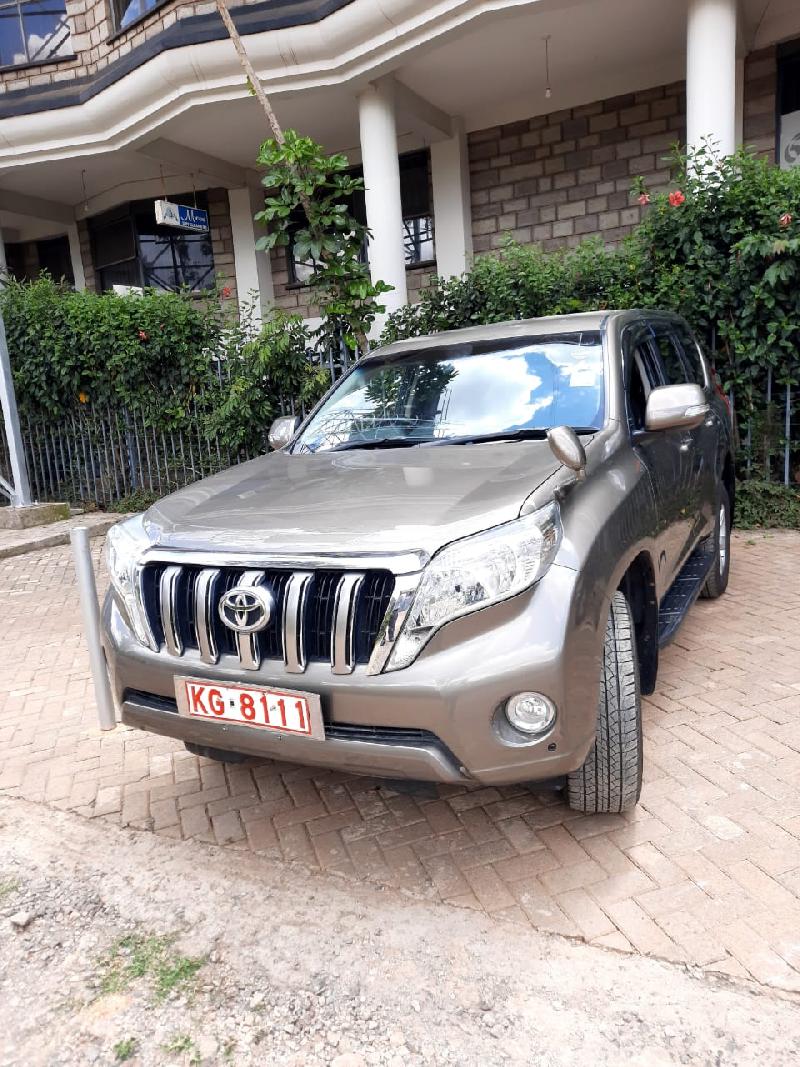
TOYOTA LAND CRUISER PRADO(2014) delivered in January, 2022
CONDITION 4.5
-
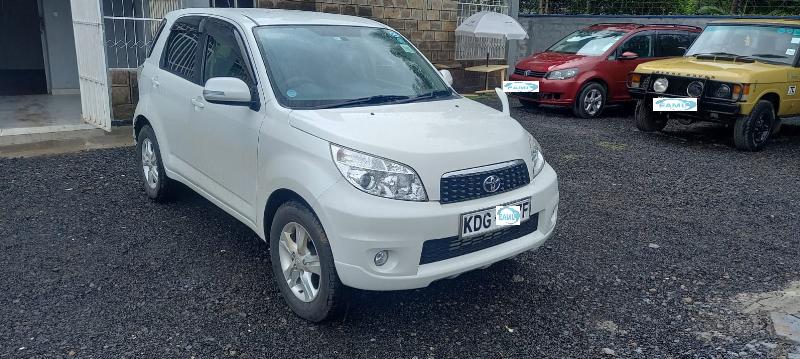
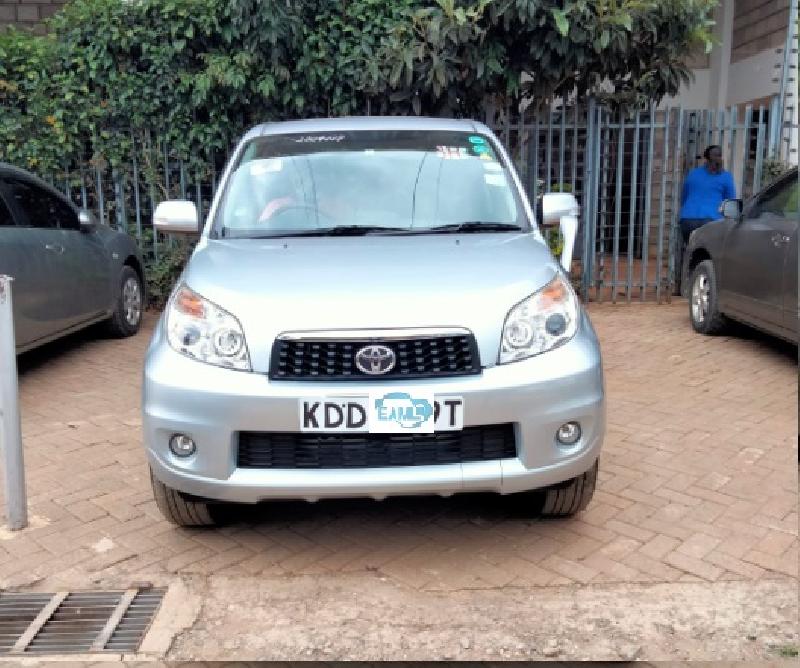
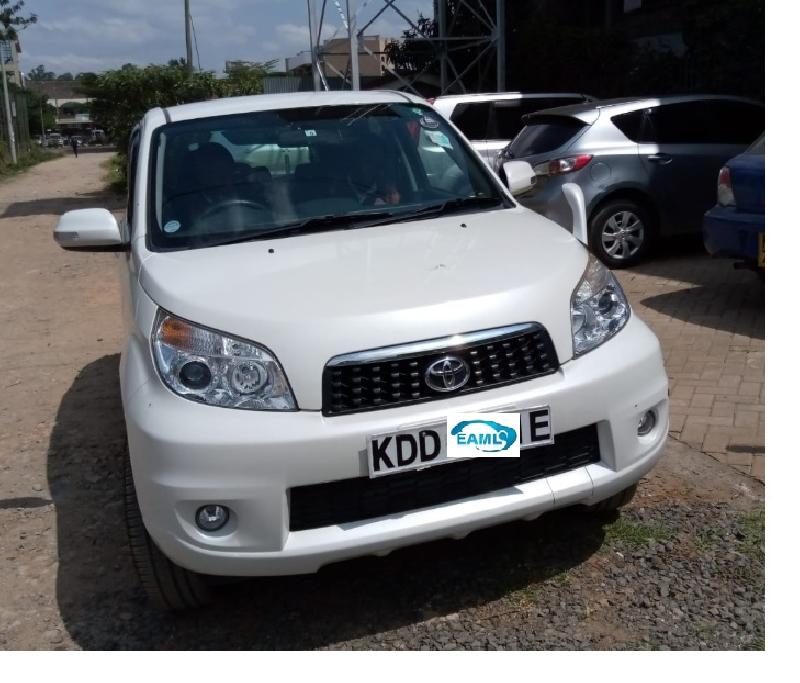
TOYOTA RUSH(2014) delivered in December, 2021
Condition 4
-
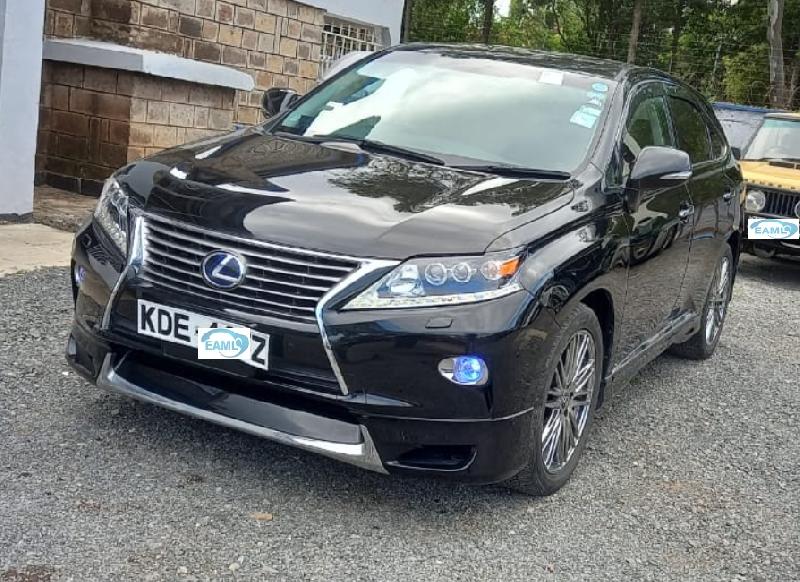
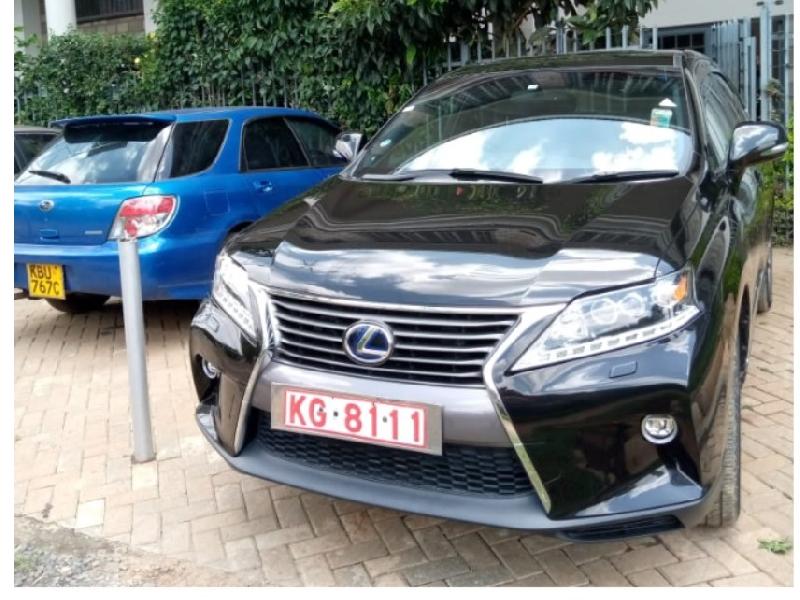
LEXUS RX450H(2016) delivered in December, 2021
CONDITION 4.5
-
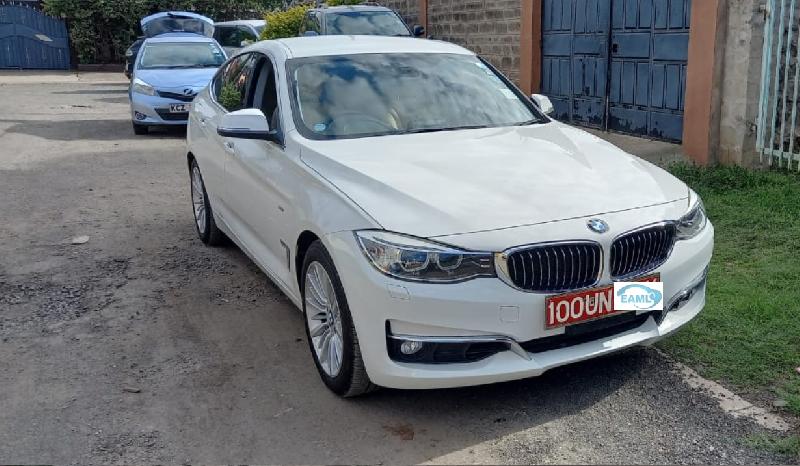
BMW 3 SERIES(2017) delivered in December, 2021
CONDITION 5 A/A
-
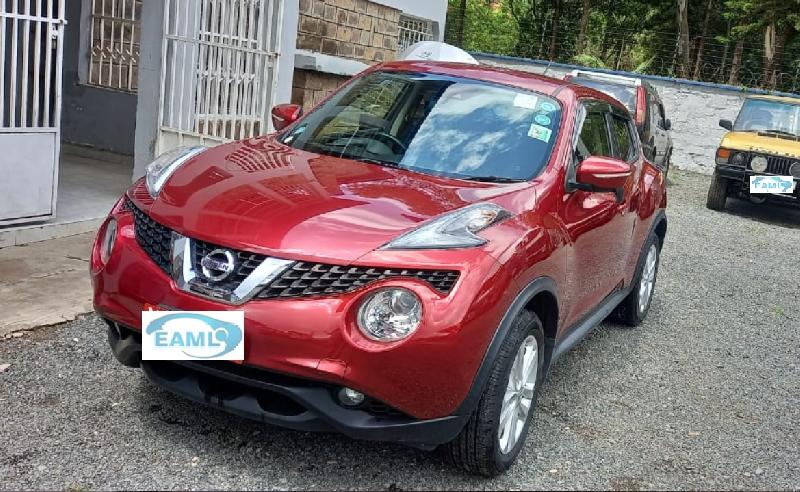
NISSAN JUKE(2014) delivered in December, 2021
CONDITION 4.5
-
MAZDA CX-5(2015) delivered in December, 2021
CONDITION 5 A/A
-
TOYOTA LAND CRUISER PRADO(2019) delivered in December, 2021
CONDITION 5 A/A
-
TOYOTA LAND CRUISER PRADO(2018) delivered in December, 2021
CONDITION 5 A/A
-
BMW 3_SERIES(2017) delivered in December, 2021
CONDITION 4.5
-
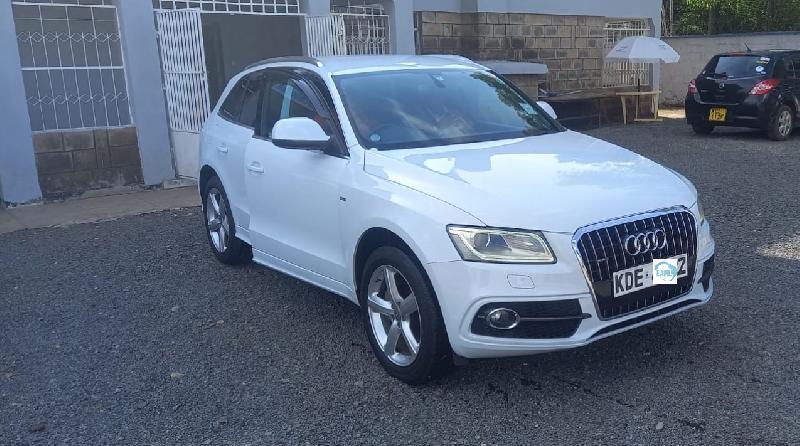
AUDI Q5(2015) delivered in December, 2021
CONDITION 4.5
-
SUBARU 0(2014) delivered in November, 2021
CONDITION 4.5
-
AUDI A4(2014) delivered in November, 2021
CONDITION 4.5
-
VOLKSWAGEN GOLF(2015) delivered in November, 2021
CONDITION 4.5
-
VOLKSWAGEN GOLF(2014) delivered in November, 2021
CONDITION 4.5
-
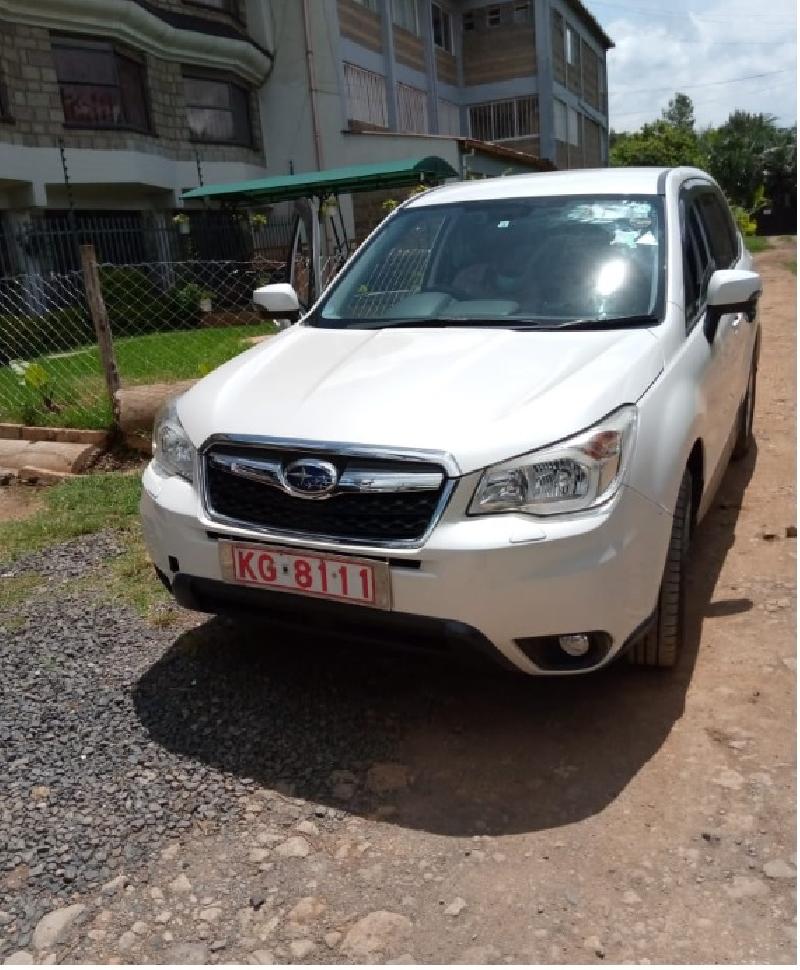
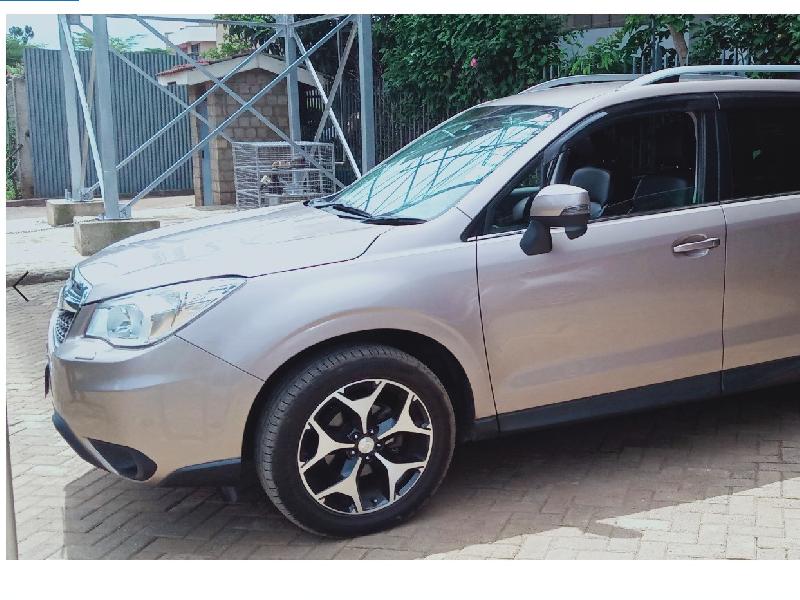
SUBARU FORESTER(2014) delivered in November, 2021
CONDITION 4.5
-
SUBARU FORESTER(2014) delivered in November, 2021
CONDITION 4.5
-
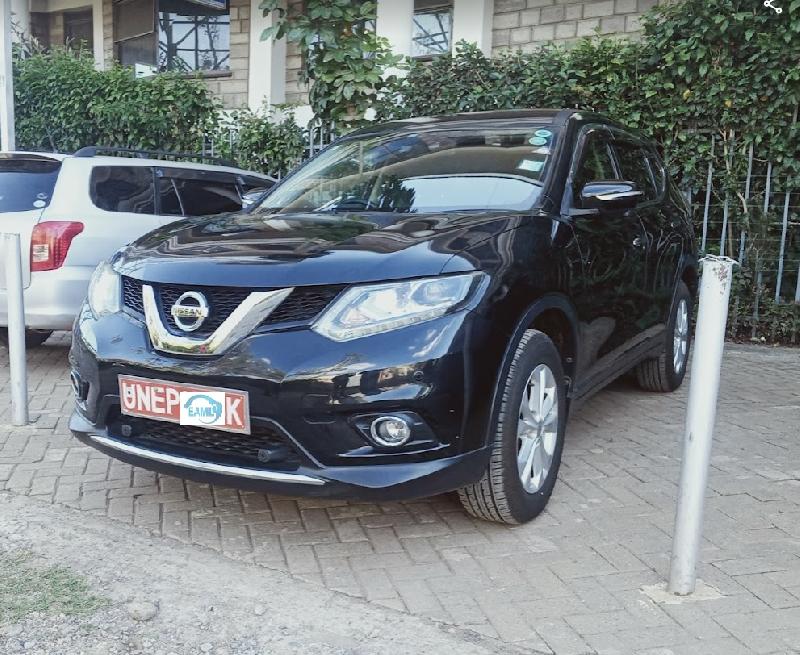
NISSAN X-TRAIL(2014) delivered in October, 2021
CONDITION 4.5
-
NISSAN XTRAIL(2014) delivered in October, 2021
CONDITION 4.5
-
TOYOTA HARRIER(2014) delivered in October, 2021
CONDITION 4.5
-
MAZDA CX-5(2019) delivered in October, 2021
CONDITION 5 A/A
-
TOYOTA LAND CRUISER PRADO(2017) delivered in October, 2021
CONDITION 5 A/A
-
TOYOTA LAND CRUISER(2018) delivered in October, 2021
CONDITION 5 A/A
-
TOYOTA LAND CRUISER PRADO(2020) delivered in October, 2021
CONDITION 5 A/A
-
MAZDA CX-5(2017) delivered in October, 2021
CONDITION 4.5
-
TOYOTA HARRIER_HYBRID(2014) delivered in September, 2021
CONDITION 4.5
-
TOYOTA HARRIER(2014) delivered in September, 2021
CONDITION 4.5
-
BMW X3(2014) delivered in September, 2021
CONDITION 4.5
-
TOYOTA LAND CRUISER(2018) delivered in September, 2021
CONDITION 5 A/A
-
TOYOTA SUCCEED WAGON(2014) delivered in September, 2021
Condition 4
-
TOYOTA SUCCEED_WAGON(2014) delivered in September, 2021
CONDITION 4.5
-
TOYOTA RUSH(2014) delivered in September, 2021
CONDITION 4.5
-
TOYOTA RUSH(2014) delivered in September, 2021
CONDITION 4.5
-
TOYOTA LAND CRUISER PRADO(2015) delivered in September, 2021
Condition 4
-
MAZDA CX-5(2014) delivered in August, 2021
Condition 4
-
NISSAN X-TRAIL(2016) delivered in August, 2021
CONDITION 4.5
-
SUBARU FORESTER(2015) delivered in August, 2021
CONDITION 4.5
-
MITSUBISHI OUTLANDER(2016) delivered in August, 2021
CONDITION 4.5
-
NISSAN 0(2017) delivered in July, 2021
CONDITION 4.5
-
TOYOTA LANCER WAGON(2018) delivered in July, 2021
CONDITION 5 A/A
-
NISSAN X-TRAIL(2014) delivered in July, 2021
CONDITION 4.5
-
TOYOTA RUSH(2014) delivered in July, 2021
Condition 4
-
TOYOTA LAND CRUISER PRADO(2015) delivered in July, 2021
CONDITION 4.5
-
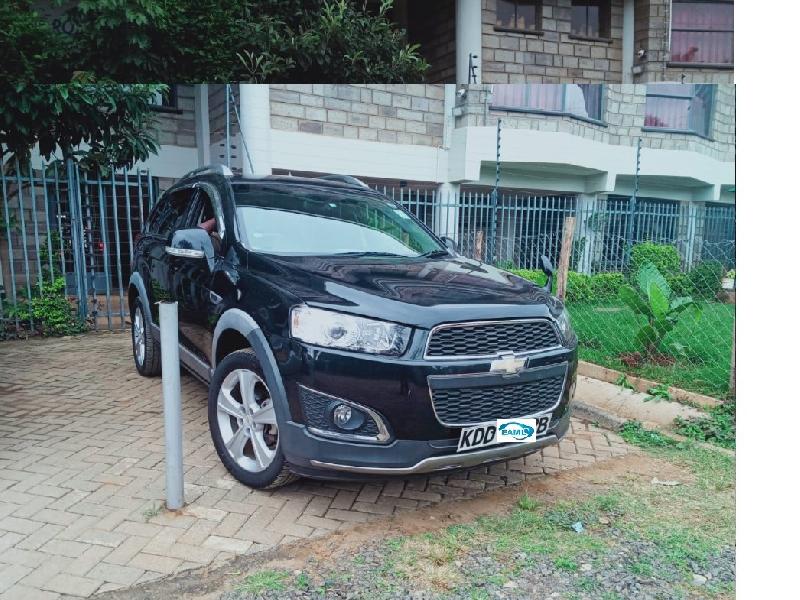
CHEVROLET CAPTIVA(2014) delivered in July, 2021
Condition 4
-
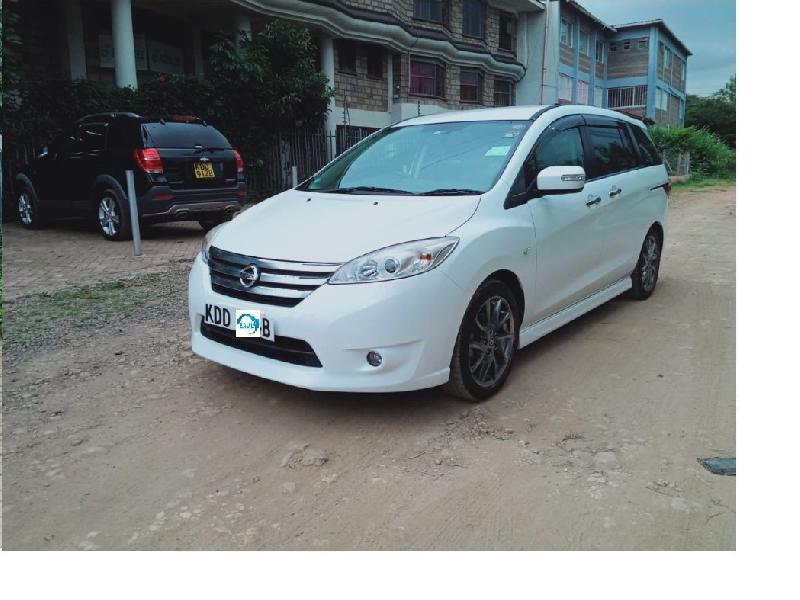
NISSAN LAFESTA(2014) delivered in July, 2021
CONDITION 4.5
-
TOYOTA LAND CRUISER(2015) delivered in June, 2021
CONDITION 5 A/A
-
TOYOTA HARRIER(2014) delivered in June, 2021
CONDITION 4.5
-
TOYOTA LAND CRUISER PRADO(2016) delivered in June, 2021
CONDITION 4.5
-
TOYOTA LAND CRUISER PRADO(2018) delivered in May, 2021
Diesel Prado TX-L rated as condition 5 /A
-
TOYOTA LAND CRUISER PRADO(2017) delivered in May, 2021
Duty-free Prado TX rated as condition 4.5/B
-
TOYOTA LAND CRUISER PRADO(2015) delivered in May, 2021
Duty-free Prado TX rated as condition 4.5/A
-
TOYOTA LAND CRUISER PRADO(2014) delivered in May, 2021
Year 2014 Prado TX , 7 seats rated as Condition 4/B.
-
TOYOTA LAND CRUISER PRADO(2016) delivered in May, 2021
DIESEL PRADO TZ-G rated as condition 5!
-
SUBARU FORESTER(2014) delivered in April, 2021
CONDITION 4.5
-
LEXUS RX(2016) delivered in April, 2021
CONDITION 5 A/A
-
TOYOTA LAND CRUISER PRADO(2016) delivered in April, 2021
CONDITION 5 A/A
-
MAZDA CX-5(2014) delivered in April, 2021
CONDITION 4.5
-
SUBARU FORESTER(2014) delivered in March, 2021
Condition 4
-
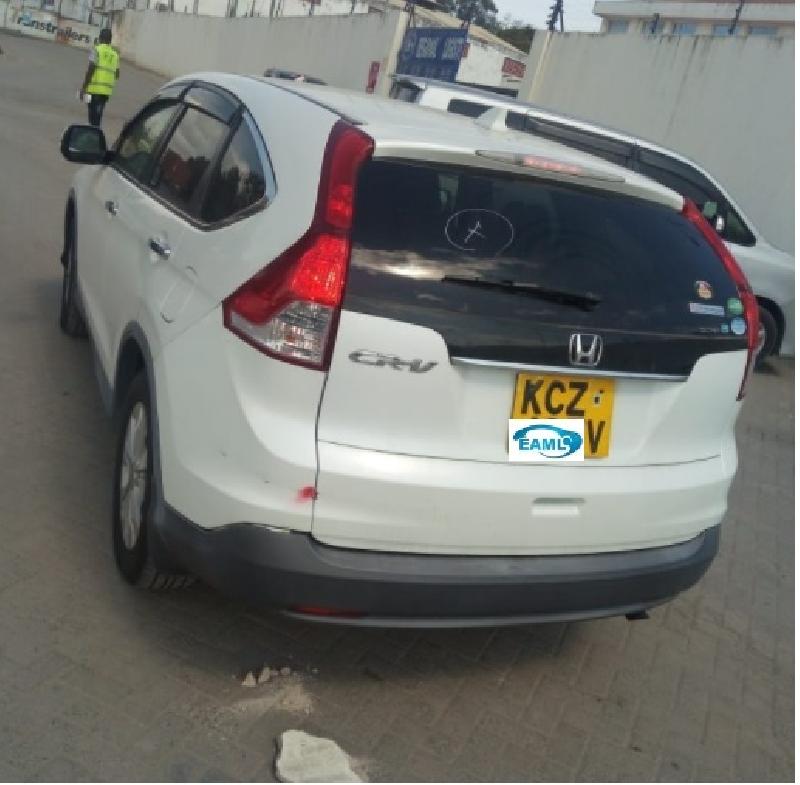
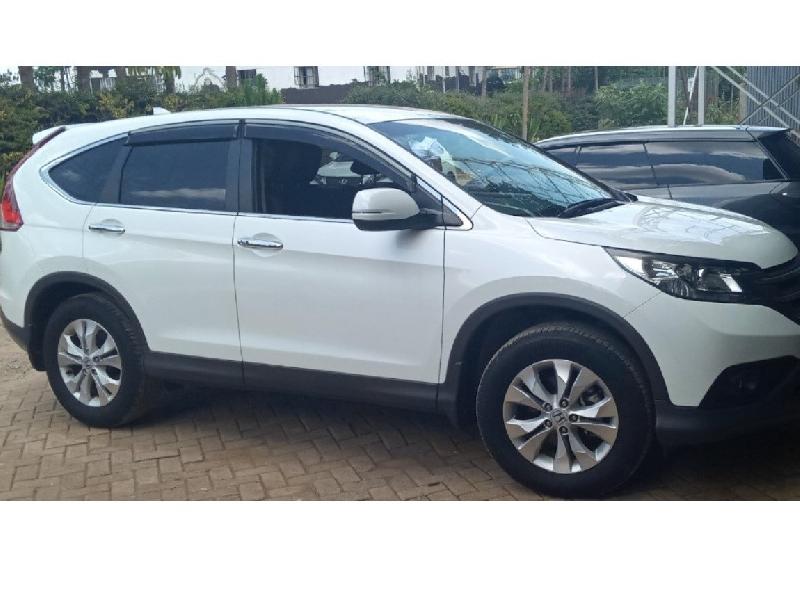
HONDA CR-V(2014) delivered in March, 2021
CONDITION 4.5
-
0 0(2017) delivered in March, 2021
Rated as condition 4.5 A,B
-
SUBARU OUTBACK(2014) delivered in March, 2021
CONDITION 4.5
-
SUBARU FORESTER(2014) delivered in March, 2021
CONDITION 4.5
-
TOYOTA LAND CRUISER PRADO(2018) delivered in February, 2021
CONDITION 4.5
-
HONDA CR-V(2014) delivered in February, 2021
Condition 4
-
TOYOTA LAND CRUISER PRADO(2017) delivered in February, 2021
Rated as condition 4.5 A,B
-
TOYOTA HARRIER(2016) delivered in February, 2021
Rated as condition 4.5 B,B
-
TOYOTA LAND CRUISER PRADO(2016) delivered in February, 2021
Rated as condition 4.5 A,B
-
SUBARU FORESTER(2015) delivered in February, 2021
Rated as condition 4 B,B
-
TOYOTA LAND CRUISER PRADO(2016) delivered in February, 2021
Rated as condition 4.5 A,B .
-
TOYOTA LAND CRUISER PRADO(2017) delivered in February, 2021
Rated as condition 5 A,B
-
MAZDA 0(2015) delivered in January, 2021
CONDITION 4.5
-
TOYOTA FJ CRUISER(2017) delivered in January, 2021
Rated as condition 4.5 B,B
-
TOYOTA LAND CRUISER PRADO(2016) delivered in January, 2021
Rated as condition 4.5 B,B
-
TOYOTA LAND CRUISER PRADO(2015) delivered in January, 2021
Rated as condition 4.5 B,B
-
TOYOTA LAND CRUISER PRADO(2018) delivered in January, 2021
Rated as condition 4.5 B,B
-
SUBARU FORESTER(2015) delivered in January, 2021
Rated as condition 4 A,B
-
TOYOTA LAND CRUISER PRADO(2018) delivered in January, 2021
-
TOYOTA VOXY(2014) delivered in January, 2021
Rated as condition 4 A,B
-
SUBARU FORESTER(2015) delivered in January, 2021
Rated as condition 4 B,B
-
TOYOTA LAND CRUISER PRADO(2016) delivered in January, 2021
Rated as condition 4.5 B,B
-
TOYOTA LAND CRUISER PRADO(2017) delivered in January, 2021
Rated as condition 5 A,B
-
TOYOTA LAND CRUISER PRADO(2017) delivered in January, 2021
Rated as condition 4 A,B
-
MAZDA CX-5(2013) delivered in December, 2020
Rated as condition 4 A,B
-
MAZDA CX-5(2013) delivered in December, 2020
Rated as condition 4 A,B
-
HONDA CR-V(2014) delivered in December, 2020
Rated as condition 4.5 B,B
-
TOYOTA COROLLA AXIO(2013) delivered in December, 2020
Rated as condition 4 B,B
-
NISSAN X-TRAIL(2016) delivered in December, 2020
Rated as condition 4.5 B,B
-
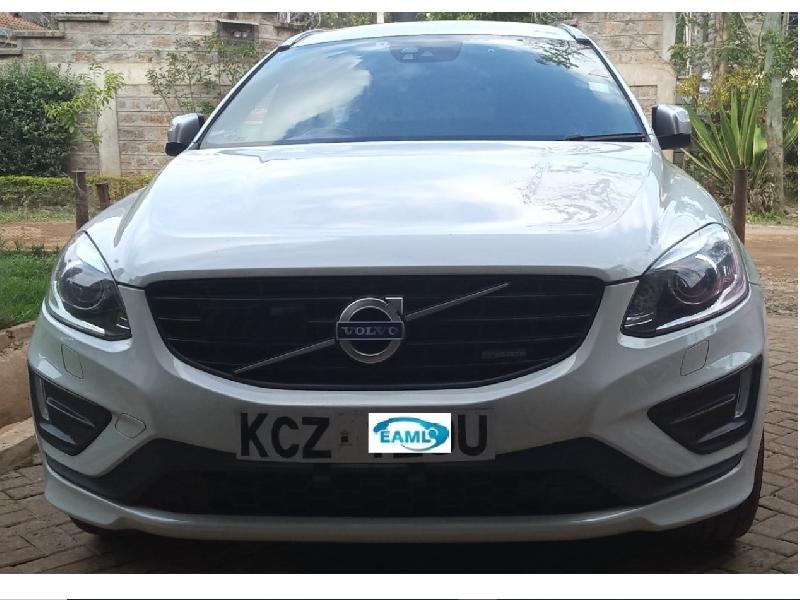
VOLVO XC60(2015) delivered in December, 2020
-
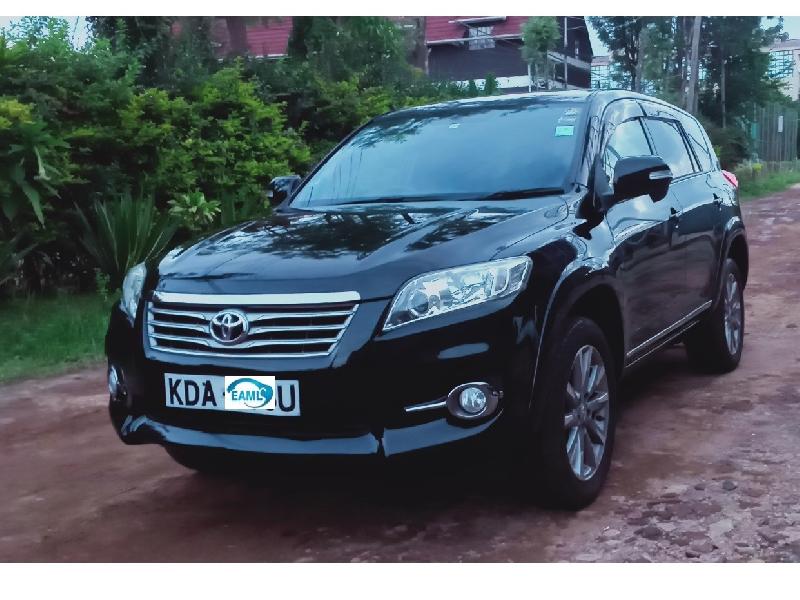
TOYOTA RAV4(2014) delivered in December, 2020
Rated as condition 4 B,B
-
MITSUBISHI OUTLANDER PHEV(2014) delivered in December, 2020
Rated as condition 4 A,B
-
SUBARU OUTBACK(2014) delivered in November, 2020
Rated as condition 4.5 B,B
-
TOYOTA LAND CRUISER PRADO(2014) delivered in November, 2020
Year 2014 Prado TX-L with 7 leather seats and sunroof
-
TOYOTA HILUX SPORTS PICK UP(2016) delivered in November, 2020
Rated as condition 4.5 A,B
-
TOYOTA VANGUARD(2013) delivered in November, 2020
Rated as condition 4.5 B,B
-
TOYOTA VANGUARD(2013) delivered in November, 2020
Rated as condition 4 A,B
-
MAZDA ATENZA SEDAN(2013) delivered in November, 2020
Rated as condition 4 B,B
-
MERCEDES BENZ E CLASS(2013) delivered in November, 2020
Rated as condition 4 A,B
-
TOYOTA RAV4(2015) delivered in November, 2020
Rated as condition 4 B,B
-
0 0(0) delivered in January, 0